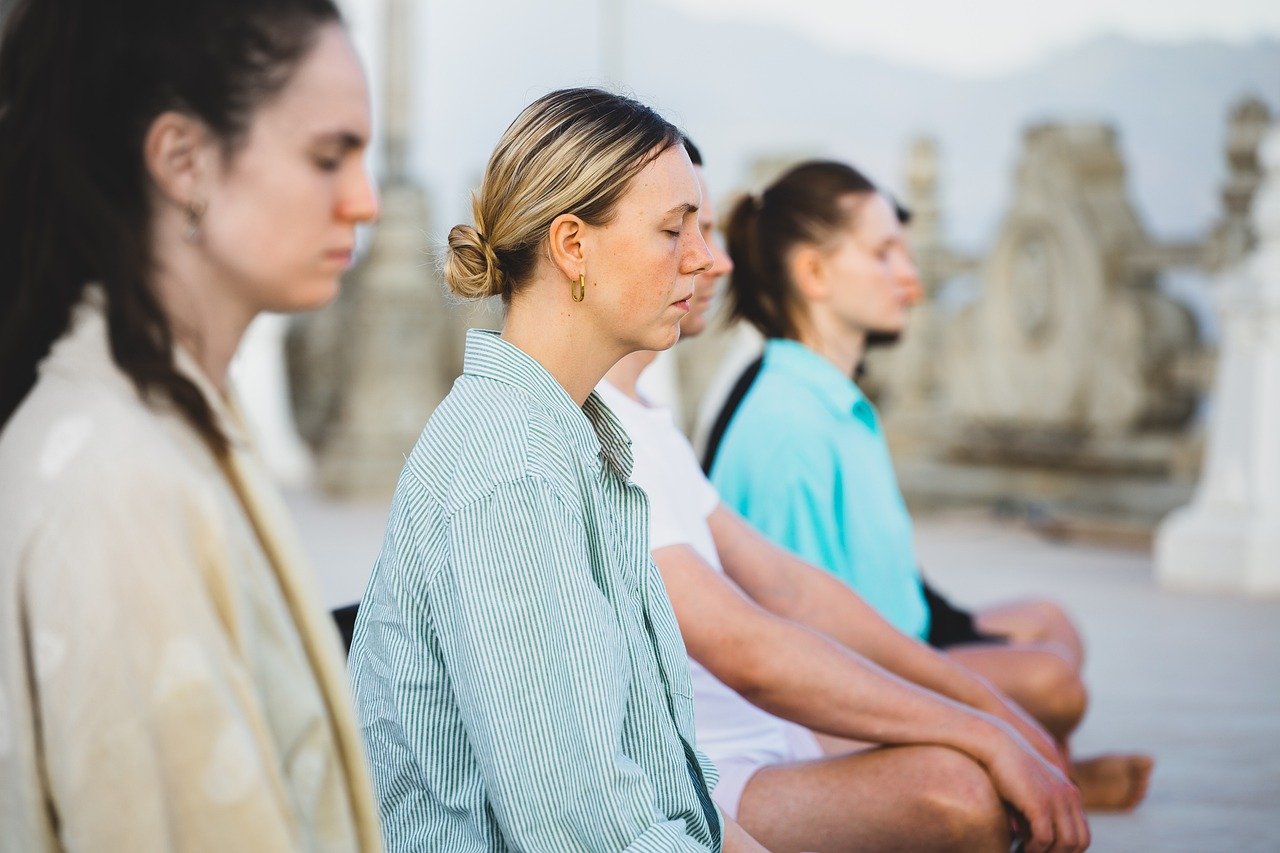

Finding inner peace has become a serious necessity in modern life. Stress stacks up, and the mind feels like a cluttered desk no one wants to clean. Many have turned to meditation, rituals, or spiritual accessories, such as the Rudraksha Mala, to quiet the noise. These practices may not erase life’s challenges, but they build a steadier inner foundation to handle them.
Meditation for Stillness
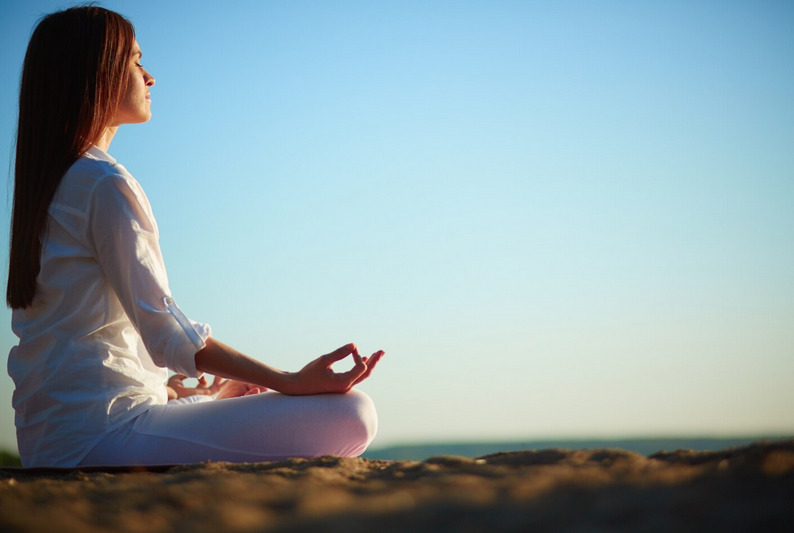 Meditation remains one of the most trusted ways to achieve inner peace. By focusing on breath, mantra, or even silence, the mind begins to soften its grip on constant chatter. Just ten minutes a day can shift perspective and make stress feel less overwhelming. Now you may be wondering what’s fun about it? Well, the answer is everything! Meditation requires no special equipment. All that’s needed is a quiet space and consistency. Over time, these moments of stillness build into a lasting sense of calm.
Breathing Exercises for Calm
Stress often shows up in shallow, rapid breathing. Slowing down the breath directly signals the body to relax. Techniques such as box breathing or diaphragmatic breathing can be done anywhere, even in the middle of a busy day. Simple though it may seem, intentional breathing resets the nervous system. It turns down the volume on stress hormones while giving the mind more clarity. Many people swear by this as their go-to method when life feels like too much.
Herbal and Natural Remedies
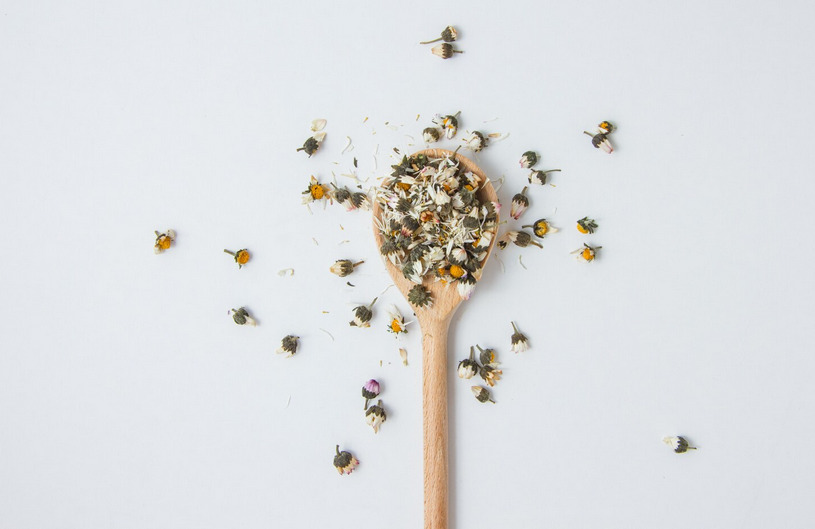
Traditional systems of health, such as Ayurveda, emphasize herbs for calming the mind. Chamomile, ashwagandha, and tulsi are examples known to help with relaxation. These herbs have been used for centuries, long before wellness trends brought them back into the spotlight. While herbs are no magic fix, they support the body in managing stress more gracefully. A warm tea or supplement can become a soothing ritual in itself. Small, consistent habits can have big effects on emotional steadiness.
Wearing a Rudraksha Mala
A Rudraksha Mala is more than spiritual jewelry; it’s considered a tool for grounding and balance. Worn during meditation or daily life, it serves as a reminder to return to inner stillness. People often find that the tactile act of holding the beads while chanting helps them focus and reduce mental noise. Beyond meditation, many wear a Rudraksha Mala as a protective element for health and peace of mind. Its presence can create a sense of connection, making stressful moments easier to handle. It bridges physical practice with spiritual intention.
The Power of Movement
 Physical activity is often underestimated in its role for peace of mind. Movement, whether yoga, tai chi, or even a mindful walk, creates space for mental clarity. The body releases tension while the mind loosens its grip on stress. These practices don’t need to be complex. A few minutes of stretching or a short walk outside can shift mood dramatically. The key lies in consistency rather than intensity.
Inner peace doesn’t come from avoiding stress—it comes from building resilience through practices that calm and strengthen the mind. Meditation, breathwork, herbal remedies, and wearing meaningful tools like the Rudraksha Mala all contribute to balance. Step by step, these traditions show that peace is not distant but available in everyday life.